Standards and compliance · 25 September 2025 · 8 min read
AS/NZS 2293 emergency lighting testing and logbooks
How Australian buildings should test emergency lighting under AS/NZS 2293, keep a logbook that would survive an audit, and treat monitored systems as tools rather than a substitute for competence.
By Marcus Hale, Electrical contractor and specifier, Melbourne, Victoria
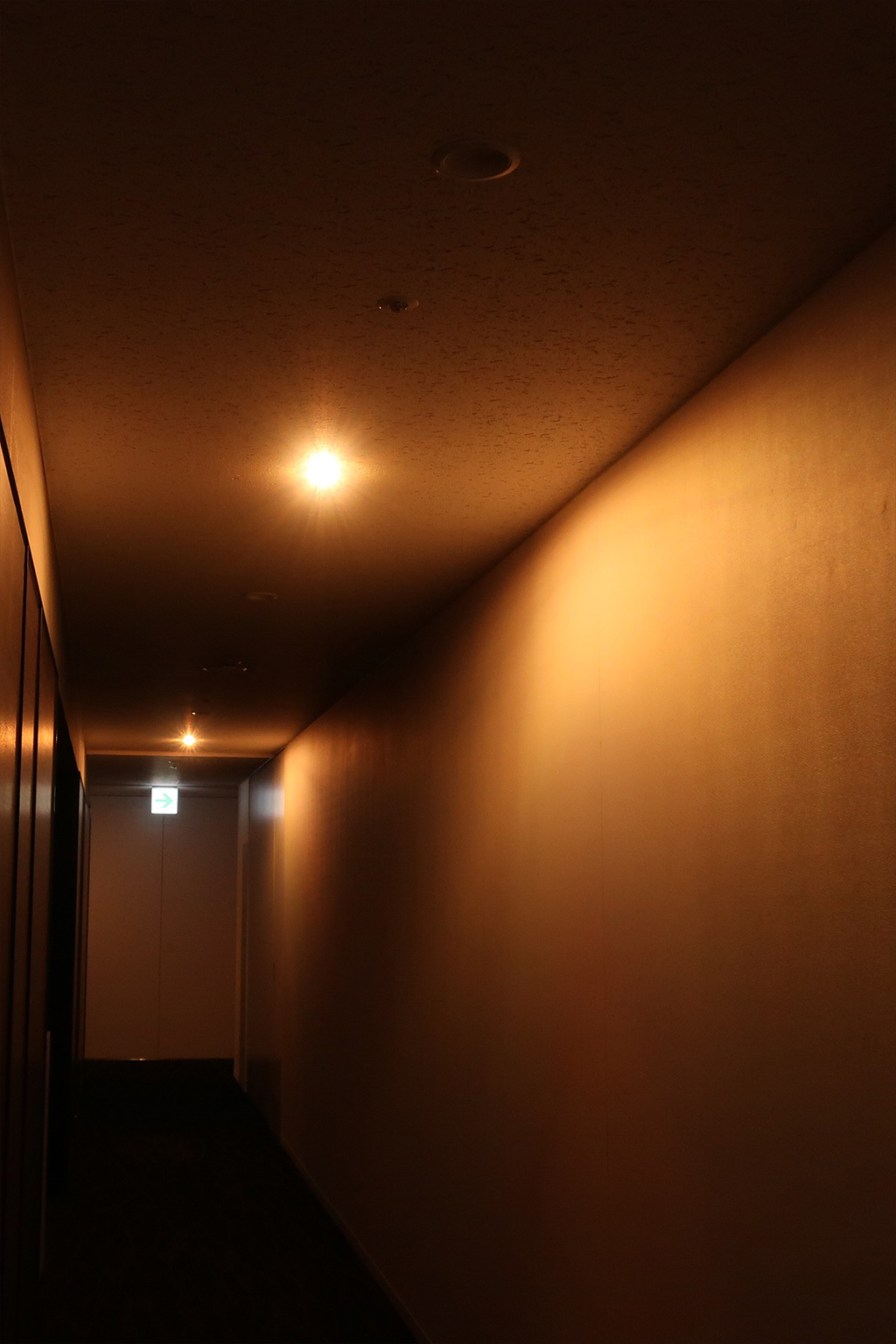

Emergency lighting is the least photogenic system in the building and the one a night cleaner relies on when everything else is off. AS/NZS 2293 is the Australian and New Zealand family that tells you how to design, product-approve and then keep that system. This essay is about the keep: testing, logbooks and the monitored panels that facilities teams treat as a personality. It sits in standards and compliance because a failed pack is not an energy issue. It is a WHS and essential-safety-measures issue.
I write this from the corridor, not from the render. If you are still choosing fittings, pair this with the retrofit method and with AS/NZS 1680 so the normal lighting and the emergency lighting are not designed by two different rumours.
What 2293 is, and what it is not
The 2293 series splits, in current practice, into system design, inspection and maintenance, and product requirements for emergency luminaires and exit signs. Clause numbers and part titles move when Standards Australia issues a new edition. Your job is to name the edition on the project, not to quote a 2018 memory as if it were scripture.
2293 is not AS/NZS 3000, though the wiring still has to be legal. It is not the NCC energy chapter. It is not a NABERS credit. It will not tell you the brand of nickel-metal-hydride pack to buy. It will tell you that people must be able to see enough to get out, that exit legends must remain the exit legends, and that you must be able to prove the system was tested.
State and territory essential-safety-measures regimes sit on top. In Victoria I live with the building’s occupancy permit and the annual ESM report. Other jurisdictions have their own inspectors and their own patience. If the logbook is a fiction, the rest of the lighting conversation can wait.
The tests that actually matter
A function test asks whether each emergency luminaire and exit sign transfers to the battery supply and lights. A discharge test asks whether it stays lit for the required duration. Visual inspection asks whether the legend is correct, the diffuser is there, the fitting is aimed at the path, and nobody has parked a pallet in front of it.
Typical commercial practice, aligned with 2293.2 as most building managers still brief it, is:
- Six-monthly: inspect and function-test.
- Twelve-monthly: discharge-test for the specified duration.
Duration in most Australian escape-lighting designs is ninety minutes. Do not assume that. Read the system design, the occupancy, and any performance solution that changed it. A theatre, a healthcare building or a very deep basement can carry a different story. Write the minutes on the test sheet.
I test with a method that isolates the normal supply to the emergency fittings, not by walking around and hoping the little LED on the side means the lamp works. Indicator LEDs lie. The room either lights or it does not.
After a discharge test the batteries need a recharge window. Do not discharge the whole high-rise on Friday afternoon and then run a public event that night. Sequence the floors. Tell security. Tell the people who write the fire-safety plan.
Logbooks that would survive a stranger
A logbook is a record a competent stranger can pick up after you have changed jobs. Paper in a switchboard still works if it is dry and complete. A spreadsheet works if it is backed up and the columns match the fittings. A monitored-system export works if someone can open it without a vendor dongle.
Every entry I want to see:
- Date, time, and the test type (inspection, function, discharge).
- The person and their competence — not “John from the contractor”.
- The system or zone tested.
- Failures, locations, and the fitting identifiers that match a drawing.
- The date the failure was repaired and retested.
- For discharge tests, the duration achieved or the monitored equivalent.
- For new work, the commissioning baseline.
A tick that says “all passed” on a 2,000-fitting hospital is not a record. I have opened books that stopped in 2017 and then sprouted a single page in the week before a sale. That page is a confession.
Keep the as-built drawings with the book. Emergency lighting without a layout is a treasure hunt. After a lighting audit or a tenancy strip-out, the drawings are usually the first thing that dies.
Monitored and self-testing systems
DALI emergency gear, proprietary self-test fittings, and central monitoring panels can poll fittings, run scheduled tests and flag a red address. Used well, they cut the climbing and catch a failed pack in week three instead of month six. Used badly, they become a screen in a locked riser that nobody opens.
Rules I write into the specification:
- The monitored system is in addition to a named responsible person, not instead of one.
- Test schedules match 2293 intervals and the building’s occupation.
- A failed fitting creates a work order, not only a pixel.
- The owner receives the project file, addresses and a training session.
- Manual test facilities remain available if the network dies.
- The dashboard export is accepted as a logbook only if it contains the fields above.
See DALI and BMS for the bus version of this. Do not let a BMS slider include emergency maintained fittings. I have watched a demand-response event dim a corridor that the fire engineer thought was a given.
Self-test fittings that blink a fault code on the diffuser are useful in a plant room and irritating in a hotel corridor. Specify how the occupant will not be the first person to notice.
Design leftovers that testing cannot fix
Testing will not invent a path that was never lit. If the fit-out added a glass meeting room, a shop, or a new stair, someone must check 2293.1 against the new geometry. I still find exit signs pointing at a wall that used to be a door.
Testing will not fix a maintained emergency fluorescent sitting in a sea of 4000 K LED so the night scene looks sick. Replace or convert those fittings as part of the LED retrofit, and treat the conversion as a listed emergency product, not a tube experiment.
Testing will not fix glare that blinds a person with low vision on the escape path. Accessible lighting and 2293 meet in the stair. Uniform, glare-controlled emergency light is not a luxury.
How I run a first visit on a neglected building
- Find the logbook, the drawings, and the last ESM statement.
- Walk a night floor with normal lights off on a sample path — stairs, a toilet, a change of direction.
- Function-test a sample if it is safe to isolate.
- Open a few fittings: pack date, corrosion, insects, wiring.
- List immediate failures (dark exits) as urgent, not as a tender option.
- Price a compliant twelve-month programme separately from any energy upgrade.
If the owner only wanted a NABERS conversation, they still get this list. NABERS and Green Star do not score a dark stair.
Specification and hold points
Write the 2293 edition, the test intervals, the duration, the logbook format, and the competence of the tester. Write a hold point after installation: 100 per cent function test, sample discharge or full discharge as the system requires, drawings updated, logbook started. Write a hold point after any controls commissioning so emergency addresses still exist.
Ban substitution of an unlisted emergency conversion kit. Ban “we will pick up emergency in a later package”. Occupants move in on the date in the contract, not on the date the emergency contractor is free.
The mistakes are stable: no drawings, no recharge plan, no repair close-out, a monitored system that emails a dead inbox, and a retrofit that never retested. Fix those and 2293 becomes boring. Boring is the correct condition for an escape light.
If you have a logbook clause that failed a real inspection, write for us. We will run it through the editorial standards and the design and specification habit of naming hold points rather than hopes.
Questions readers ask
- How often must emergency lighting be tested in Australia?
- AS/NZS 2293.2 sets a six-monthly inspection and function test and a twelve-monthly discharge test for most systems. Read the current edition and the building’s essential-safety-measures determination. A monitored system can change how you collect the result. It does not delete the interval.
- Is a software dashboard a legal logbook?
- Only if it records the tests the standard requires, keeps them for the required period, and can be produced by someone other than the vendor. A login nobody remembers is not a logbook.
- Do LED retrofits reset the emergency obligations?
- They often expand them. If you touch fittings, circuits or the normal lighting people use to leave, test before and after and update the log. Leaving old packs on a new grid is a common way to fail the next discharge test.
More in Standards and compliance
- NABERS, Green Star and lighting performance
How NABERS Energy and Green Star treat lighting power, hours and metering in Australian commercial buildings — and why a Section J model is not a rating.
- Accessible and inclusive lighting design
Lighting for low vision, dementia and neurodiversity in Australian buildings, written against the Premises Standards context rather than a wellness brochure.