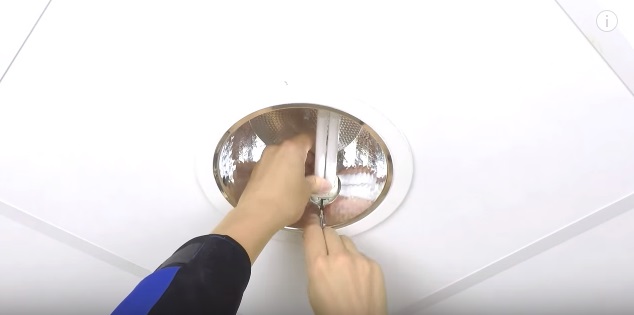
Energy and controls · 28 September 2025
LED retrofit for Australian commercial buildings
How to replace T8, T5 and halogen stock in a real Australian commercial building without breaking emergency lighting, asbestos ceilings or the control strategy.
Australian English · Independent editorial
Established from the LED trade press
Archive
28 long-form essays, ordered from the most recently published. Every piece also lives on a topic hub.
Energy and controls · 28 September 2025
How to replace T8, T5 and halogen stock in a real Australian commercial building without breaking emergency lighting, asbestos ceilings or the control strategy.
Standards and compliance · 25 September 2025
How Australian buildings should test emergency lighting under AS/NZS 2293, keep a logbook that would survive an audit, and treat monitored systems as tools rather than a substitute for competence.
Retail and hospitality lighting · 20 September 2025
How to light Australian shops so colour, vertical illuminance and glass cabinets help people stay and buy, rather than flatten the stock or glare the till.
Design and specification · 18 September 2025
A structure for Australian commercial lighting specifications — scope, performance, substitution rules and hold points — that still works after value management.
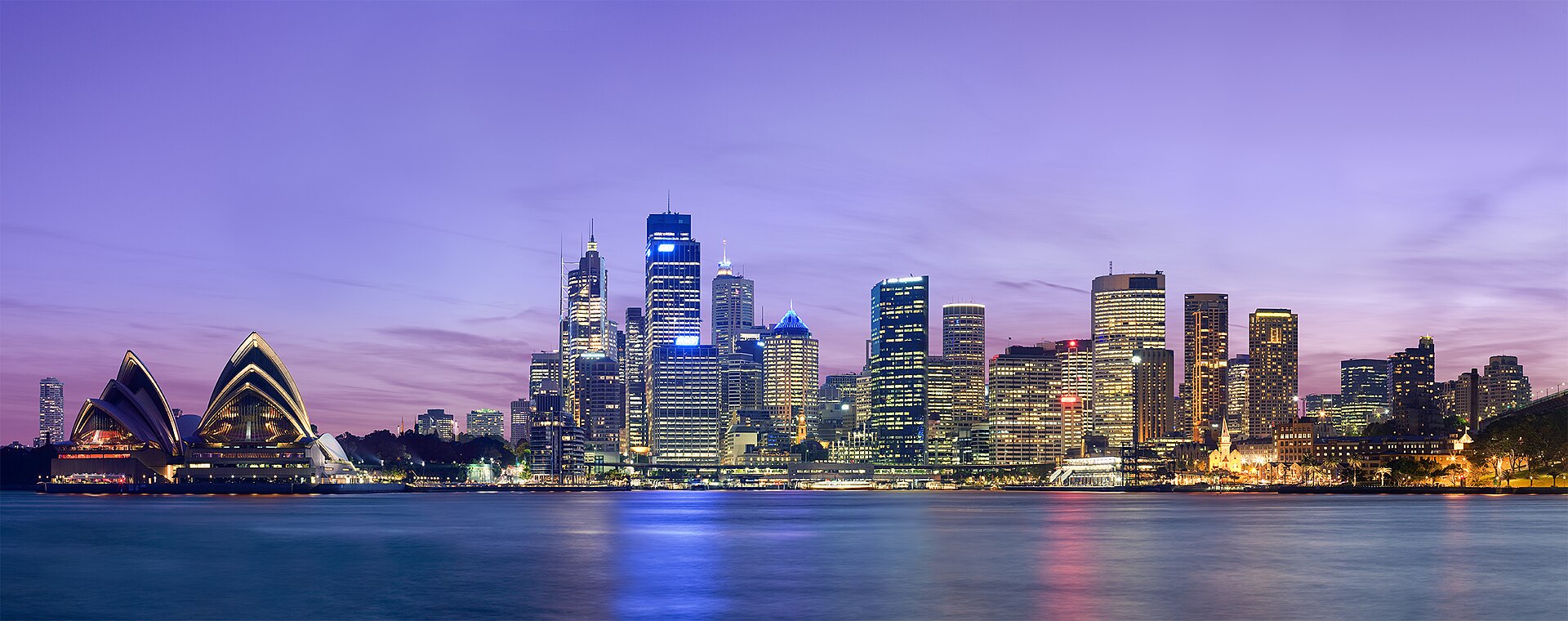
Energy and controls · 15 September 2025
How NCC energy provisions treat interior lighting power, control credits and climate zones — and why they do not replace AS/NZS 1680 in an Australian building.
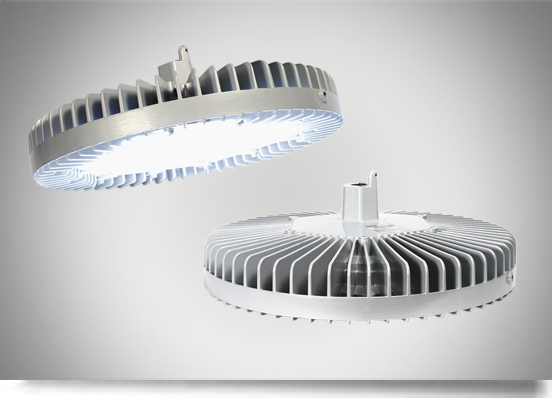
Industrial and warehouse lighting · 12 September 2025
Optics, mounting height, aisle versus open hall, IP and IK — how to specify a high-bay that still works when a forklift looks up at 2 a.m.
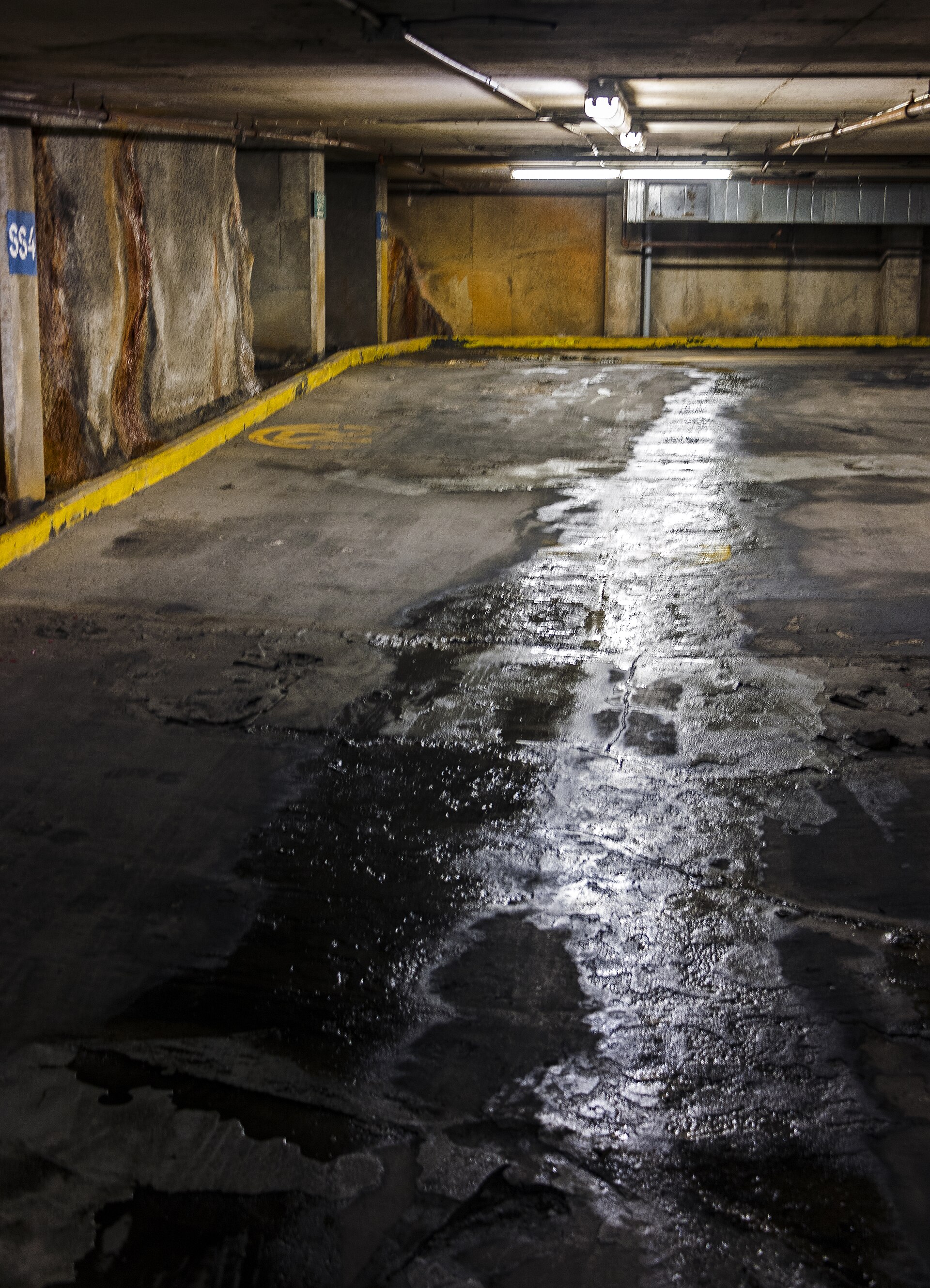
Outdoor and civic lighting · 8 September 2025
CPTED, uniformity and the LED-versus-HID decision for Australian open and covered car parks — a method that starts with faces and cameras, not a pole catalogue.
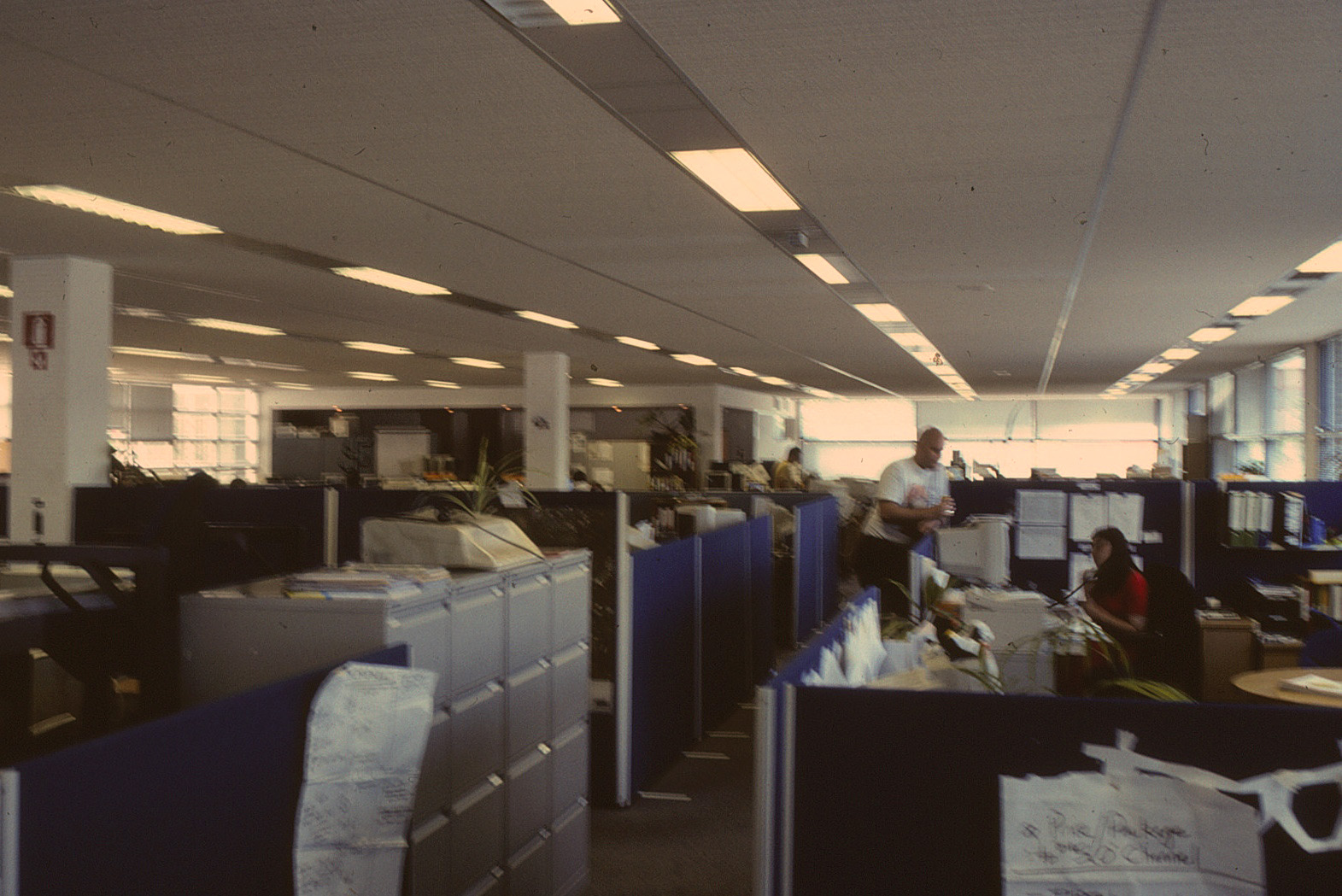
Workplace and office lighting · 2 September 2025
How to read maintained illuminance, uniformity and task categories in AS/NZS 1680 when you are specifying a real Australian office rather than a catalogue page.
Read AS/NZS 1680 office lighting levels for Australian workplaces
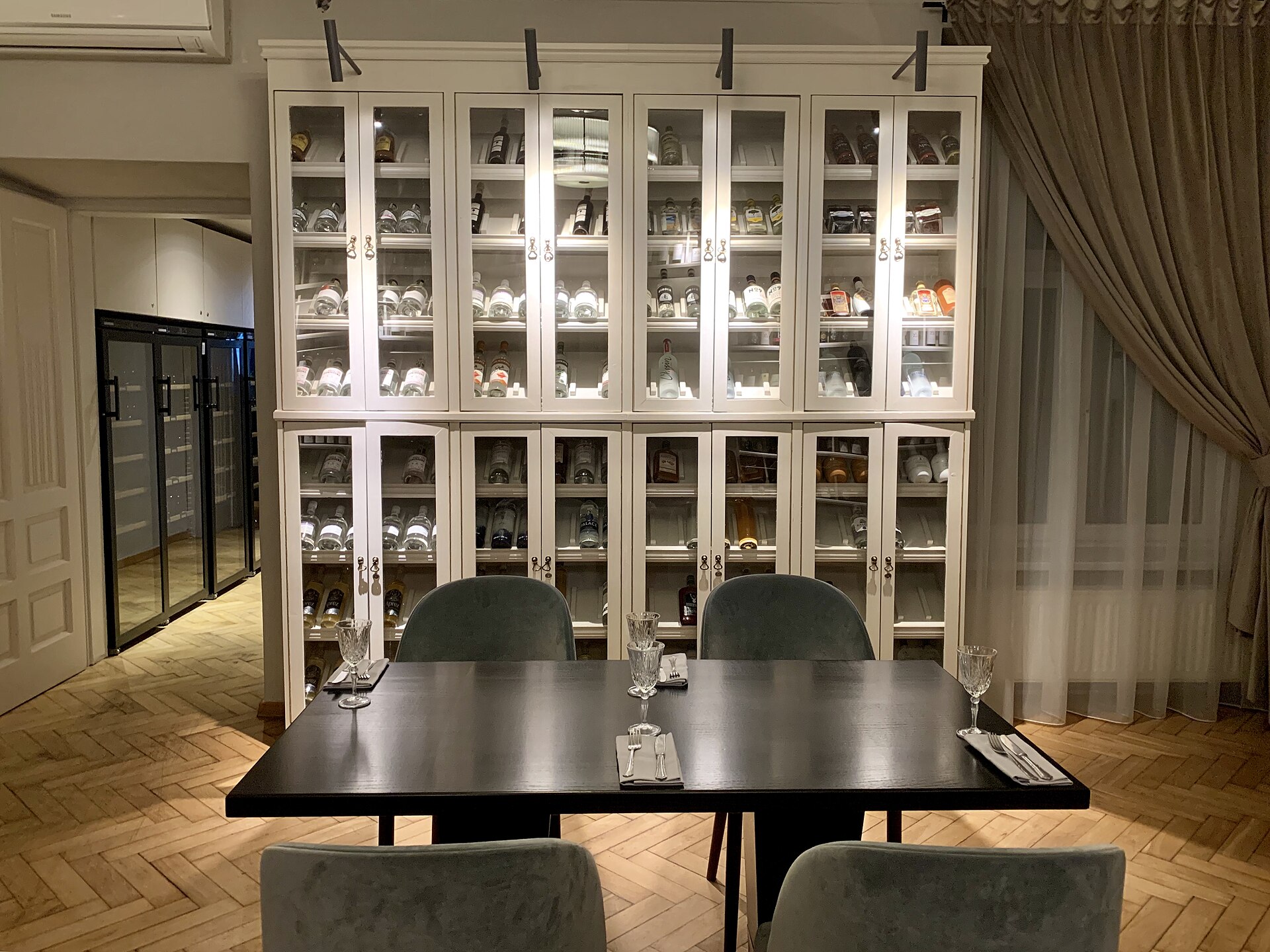
Retail and hospitality lighting · 28 August 2025
Dining scenes, commercial kitchens, guest rooms and night-time neighbour light — a practical method for Australian hospitality rooms that still have to pass inspection.
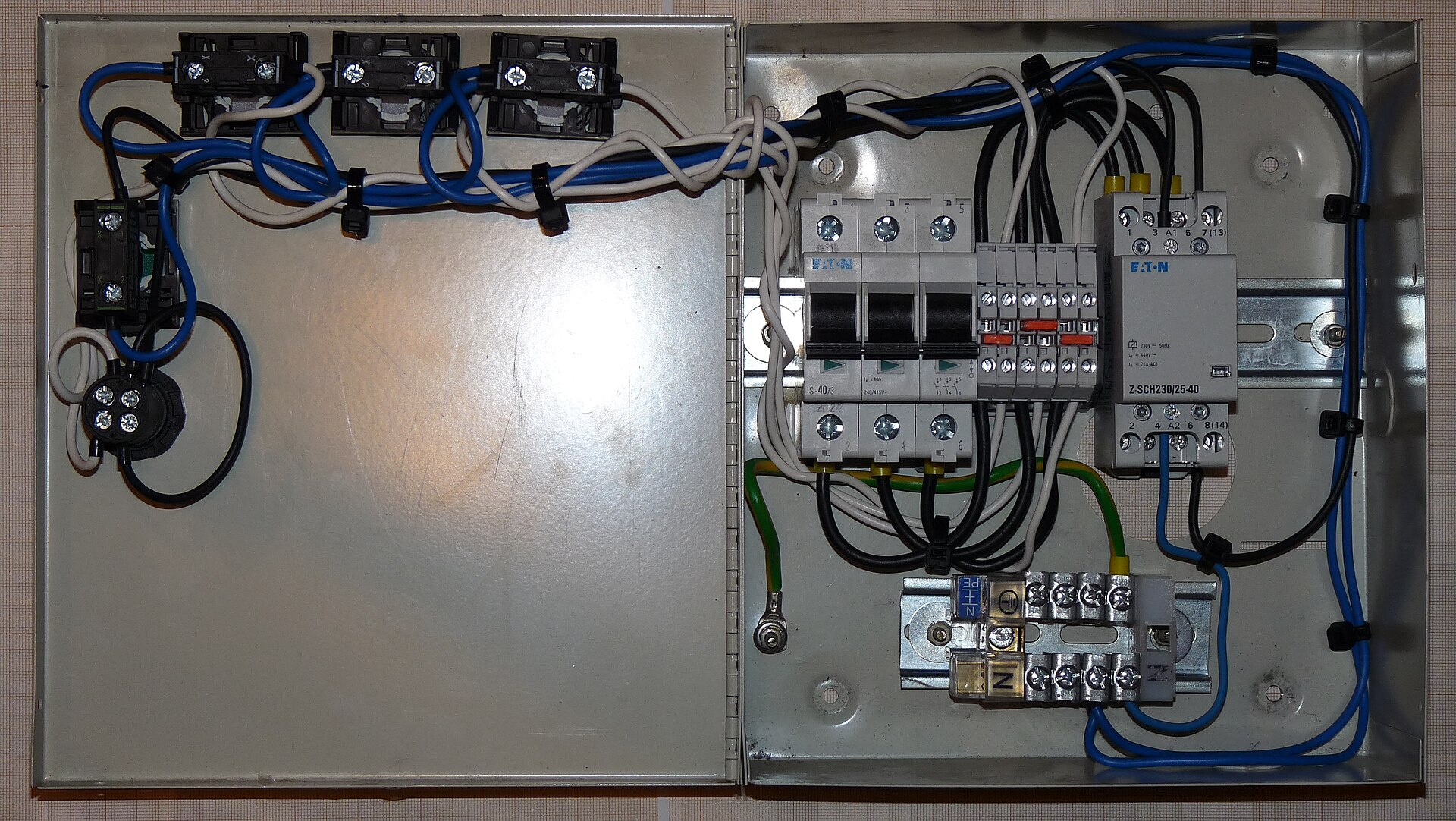
Energy and controls · 21 August 2025
DALI-2, gateways and the commissioning steps that turn a lighting bus into something a BMS can actually use in an Australian commercial building.
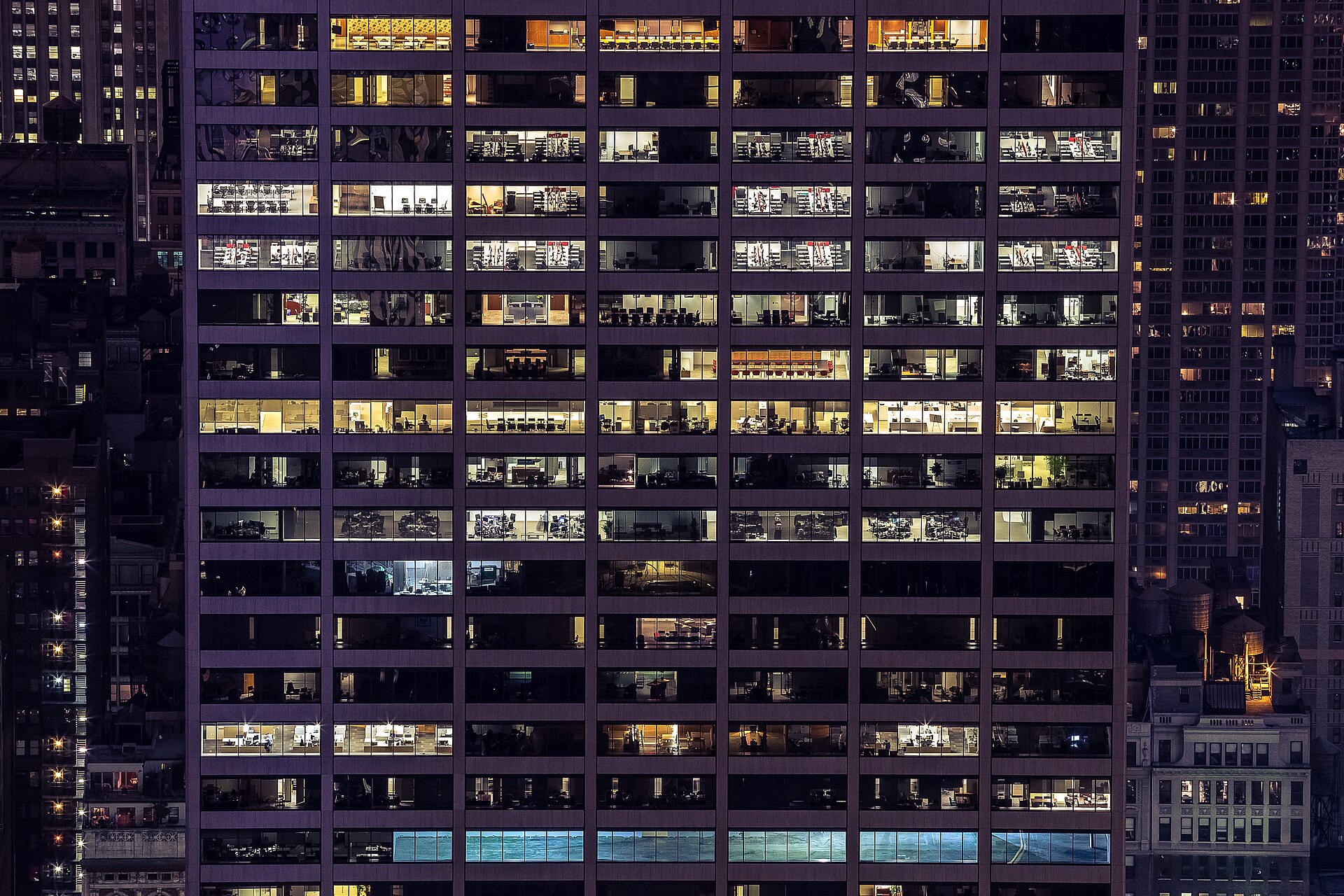
Workplace and office lighting · 18 August 2025
Unified glare rating, window brightness and polished concrete — a practical method for making Australian open-plan floors usable after lunch.
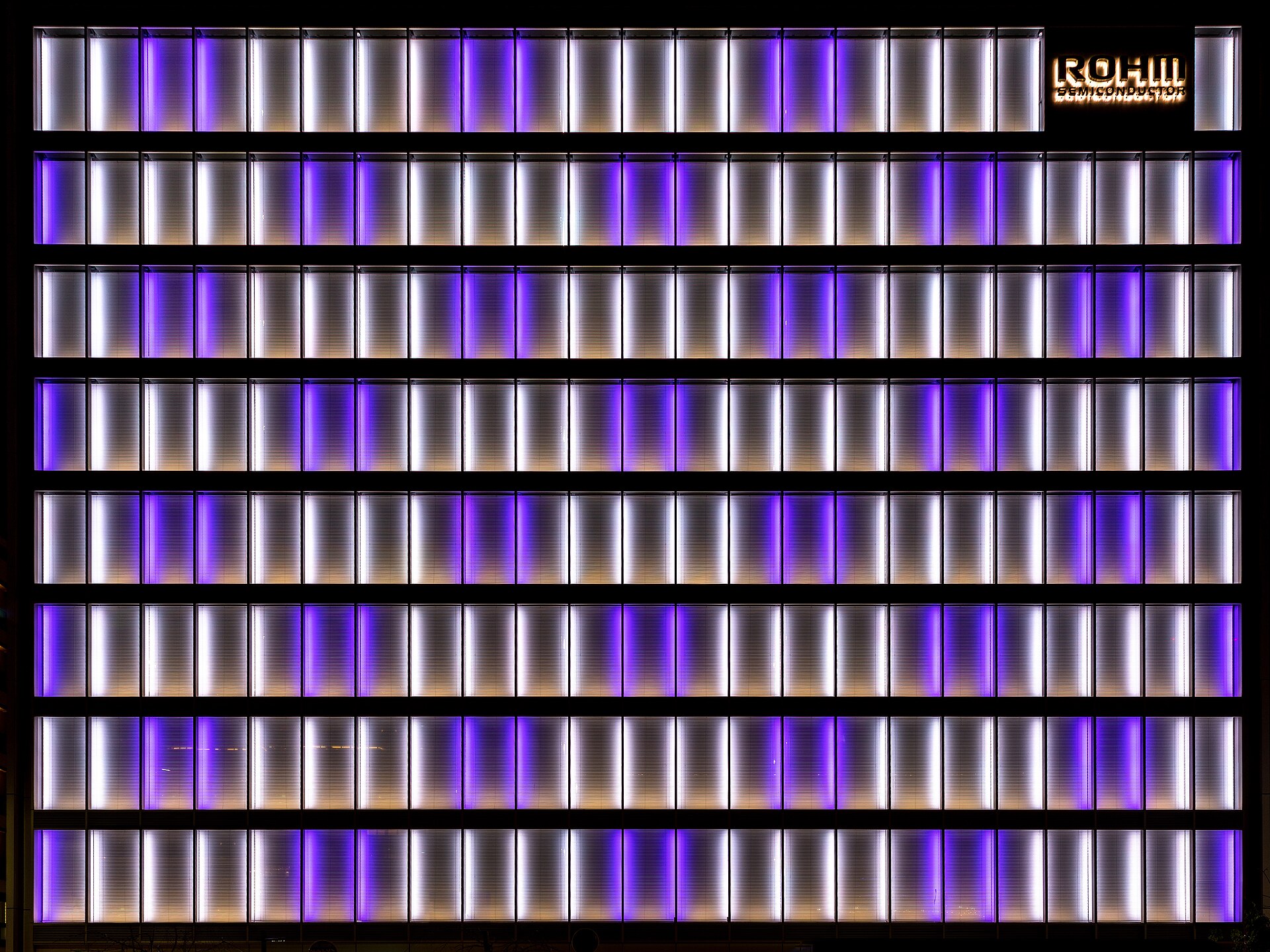
Outdoor and civic lighting · 12 August 2025
How to wash an Australian facade without spilling into bedrooms, flattening heritage stone or leaving a flood on a timer that nobody owns.
Industrial and warehouse lighting · 5 August 2025
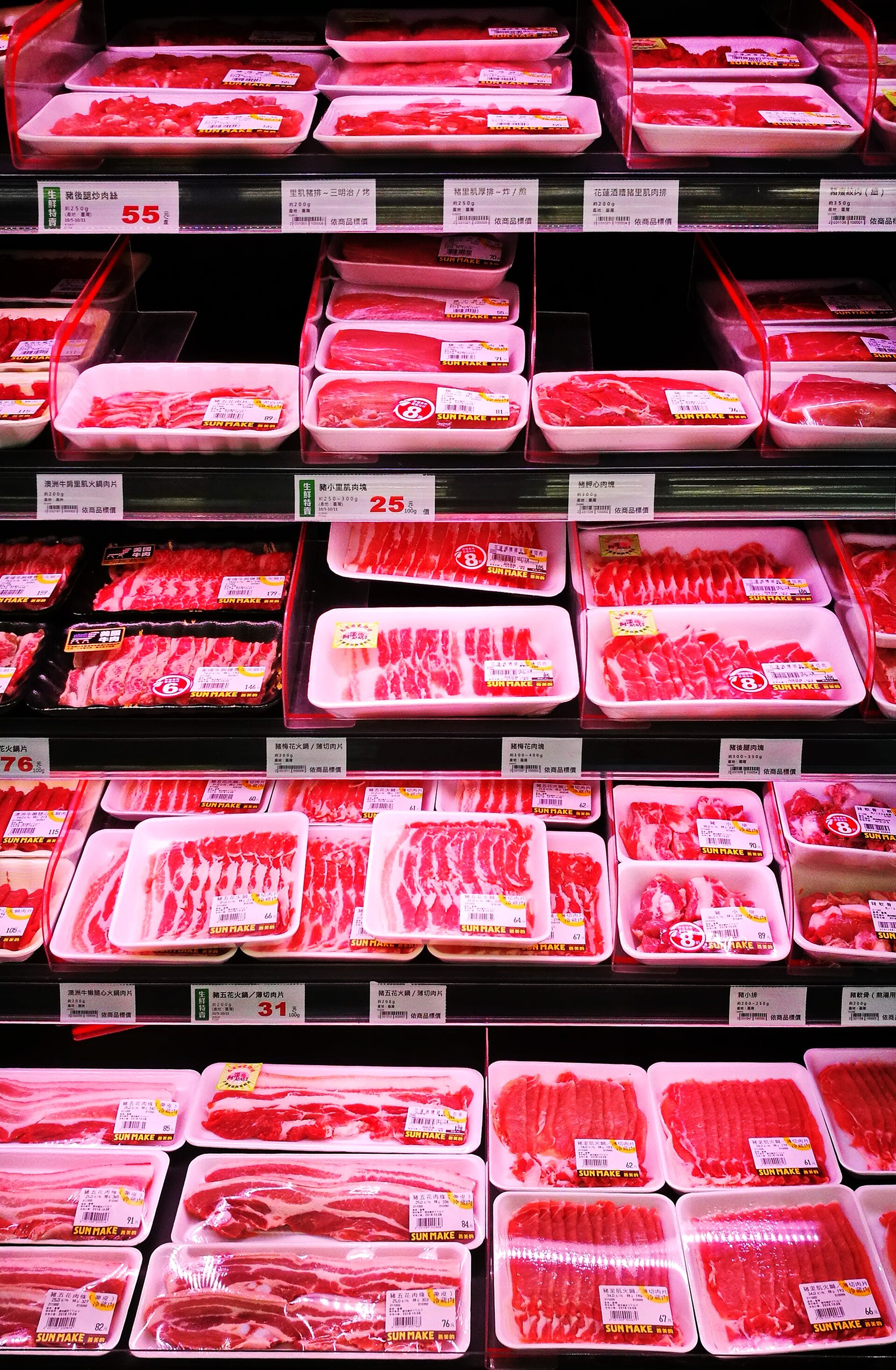
IP69K, washdown, condensation and the colour of meat — lighting that survives a food plant without lying about produce.
Design and specification · 2 August 2025
What CCT, CRI and IES TM-30 actually measure, where they mislead, and how to write them into an Australian commercial lighting specification.
Workplace and office lighting · 22 July 2025
What melanopic EDI, WELL-style circadian credits and tunable-white hardware can actually do in an Australian office — and the wellness claims a specifier should refuse to write.
Read Circadian and tunable-white lighting for Australian workplaces
Design and specification · 19 July 2025
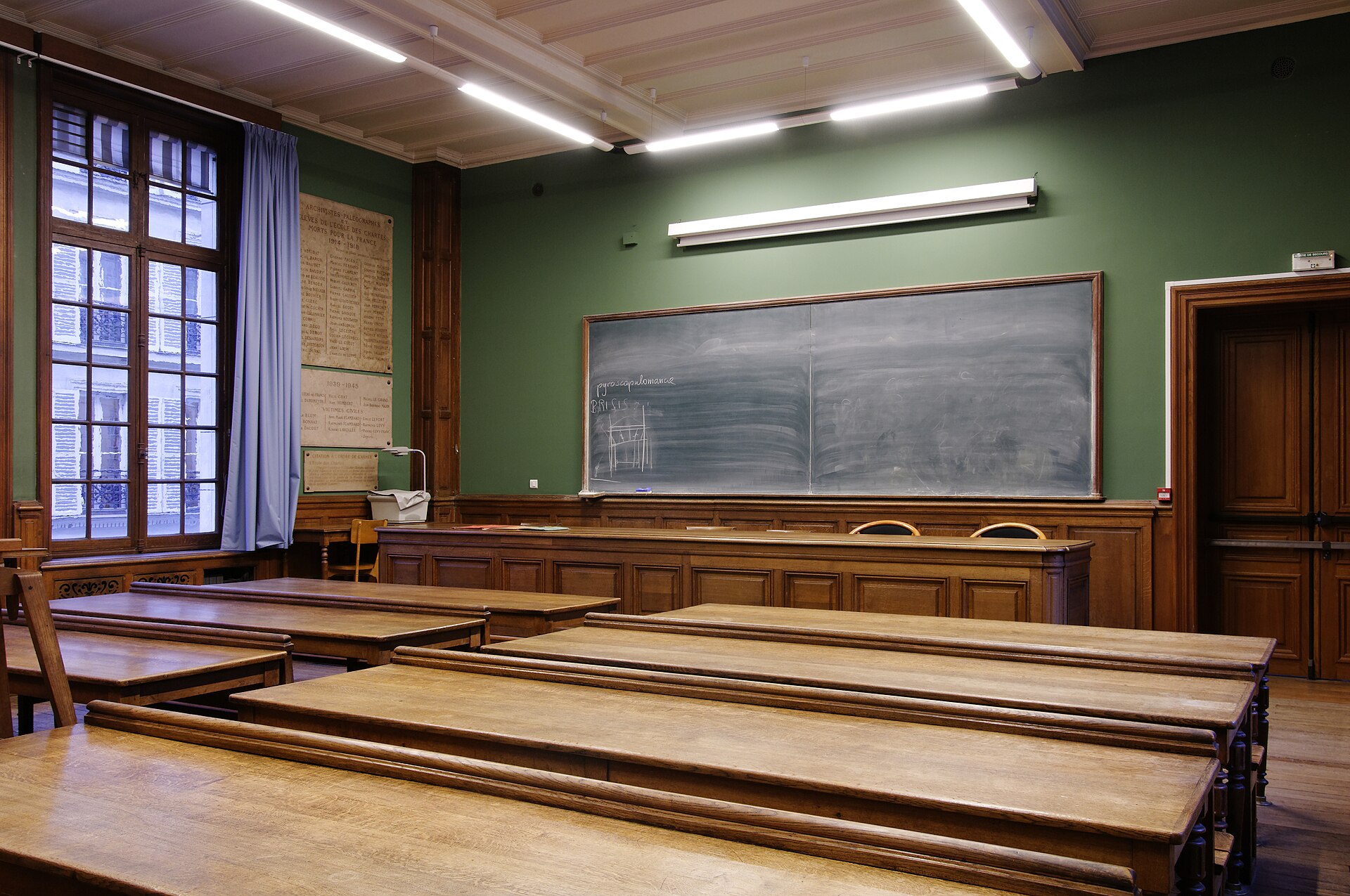
How to use daylight in Australian commercial buildings without glare, dead photocells or a Section J credit that the blinds quietly cancelled.
Retail and hospitality lighting · 14 July 2025
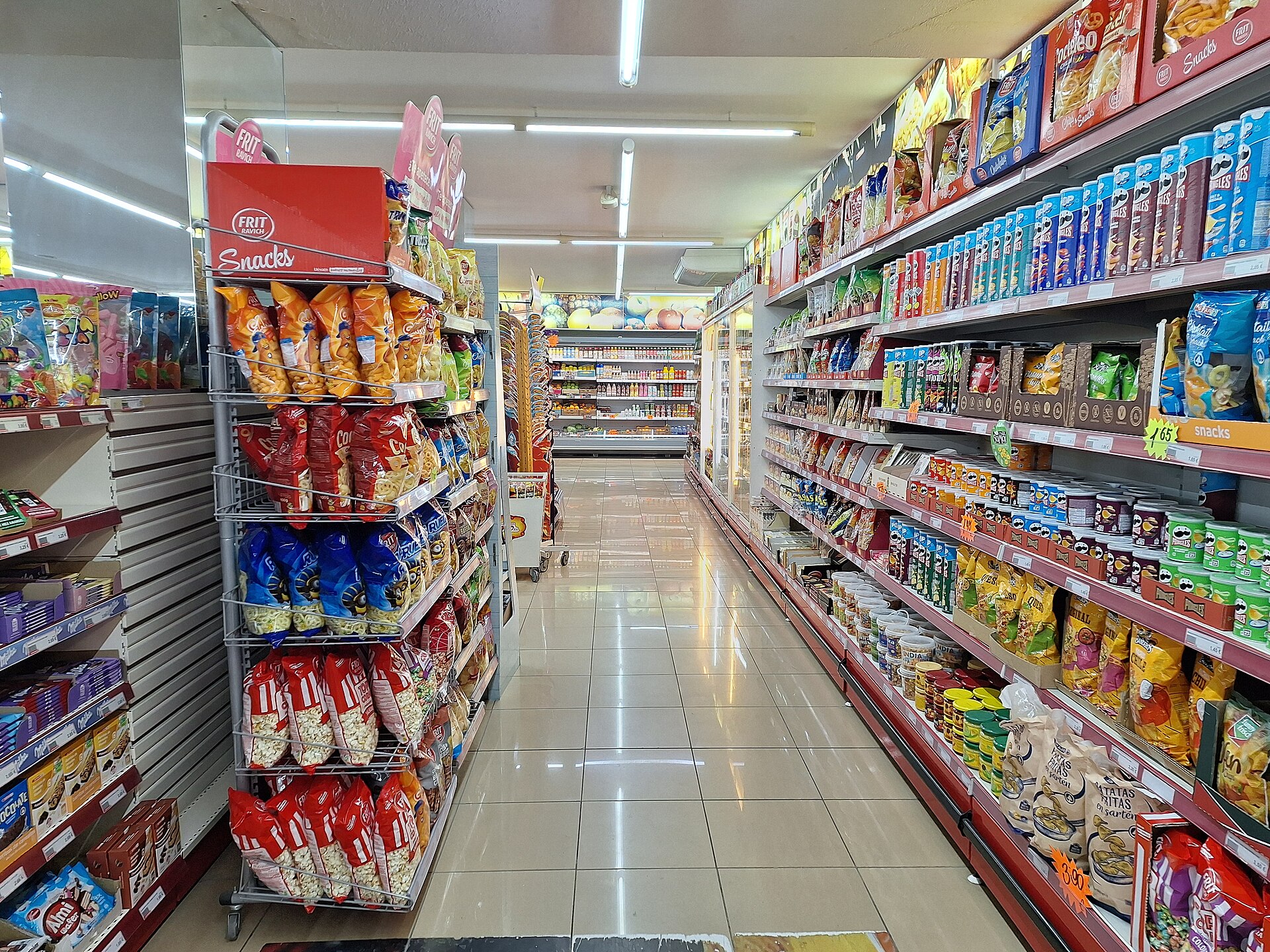
Aisles, fresh-food spectrum, refrigerated cabinets and the energy arithmetic that survives a night fill in an Australian supermarket.
Industrial and warehouse lighting · 8 July 2025
Task lighting, shadow, flicker and rotating machinery — what a PCBU actually has to get right under Australian WHS law.
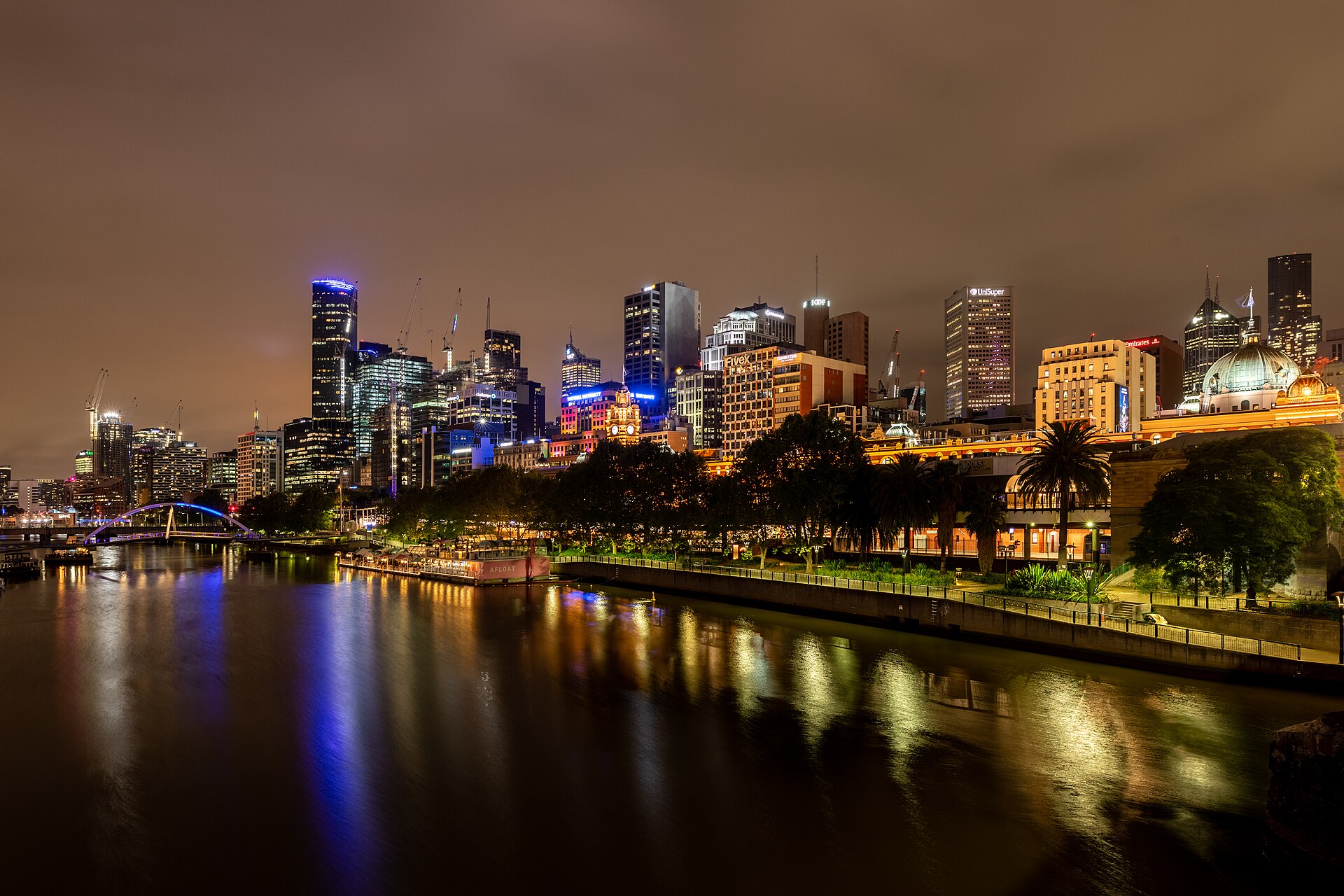
Outdoor and civic lighting · 1 July 2025
How Australian campuses and councils light paths, plazas and wayfinding without flattening the night or ignoring dark-sky and neighbour duties.
Workplace and office lighting · 30 June 2025
How to light Australian meeting rooms and glass collaboration boxes for faces on camera, whiteboards, scenes people will actually press, and the acoustic clashes that wreck a ceiling plan.
Read Meeting-room and collaboration-space lighting for Australian offices
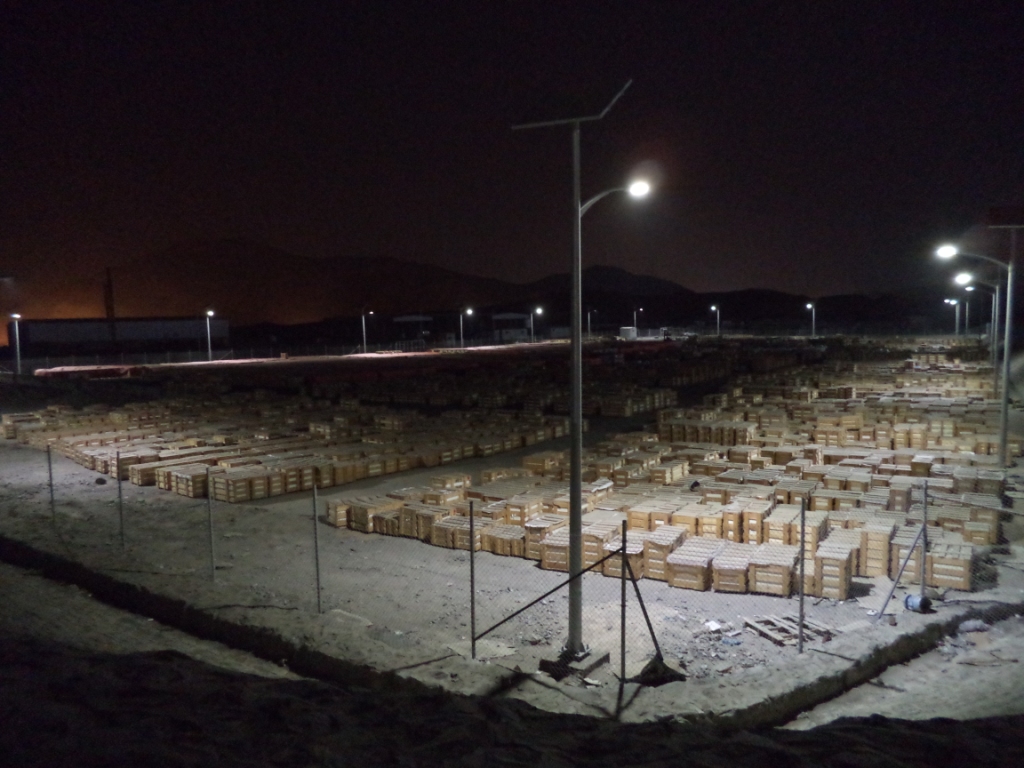
Design and specification · 25 June 2025
Dirt, heat, cyclones and salt — how commercial lighting hardware and maintenance change between Darwin, Alice Springs and Hobart.
Standards and compliance · 18 June 2025
How NABERS Energy and Green Star treat lighting power, hours and metering in Australian commercial buildings — and why a Section J model is not a rating.
Retail and hospitality lighting · 11 June 2025
How to light car paint, glass and ceiling grids in Australian dealerships without glare, and how to run a honest after-hours security scene.
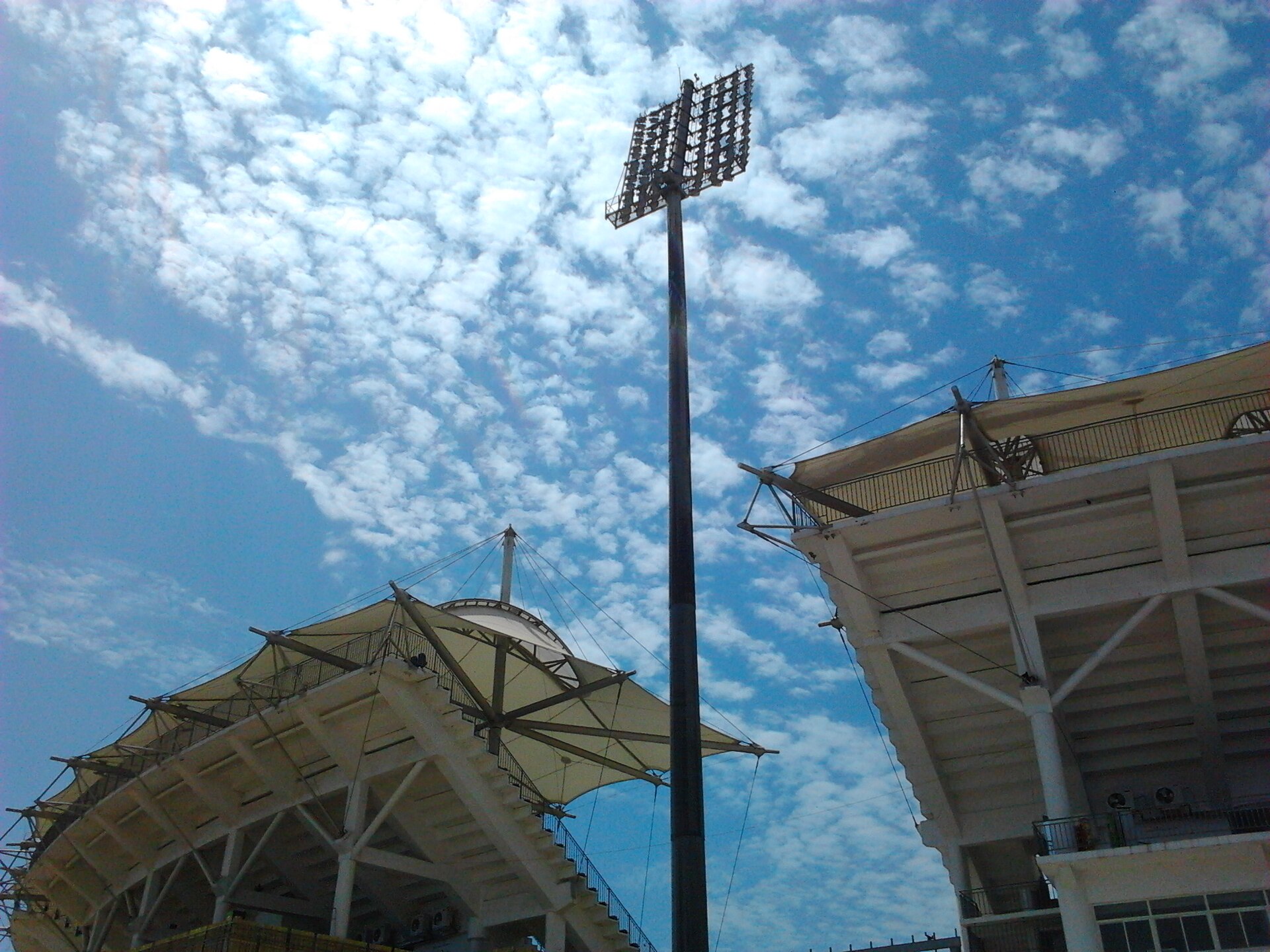
Outdoor and civic lighting · 4 June 2025
Community cricket, AFL and tennis lighting — lux classes, glare to residents, and the difference between a training night and a broadcast fantasy.
Energy and controls · 28 May 2025
How to audit an Australian commercial lighting stock, group what you find, buy spares that will still exist, and clean fittings so the maintenance factor is not a fiction.
Industrial and warehouse lighting · 20 May 2025
How emergency lighting behaves in dusty, cold, generator-backed industrial sites, and what the 2293 logbook is for.
Read Industrial emergency and exit lighting under AS/NZS 2293
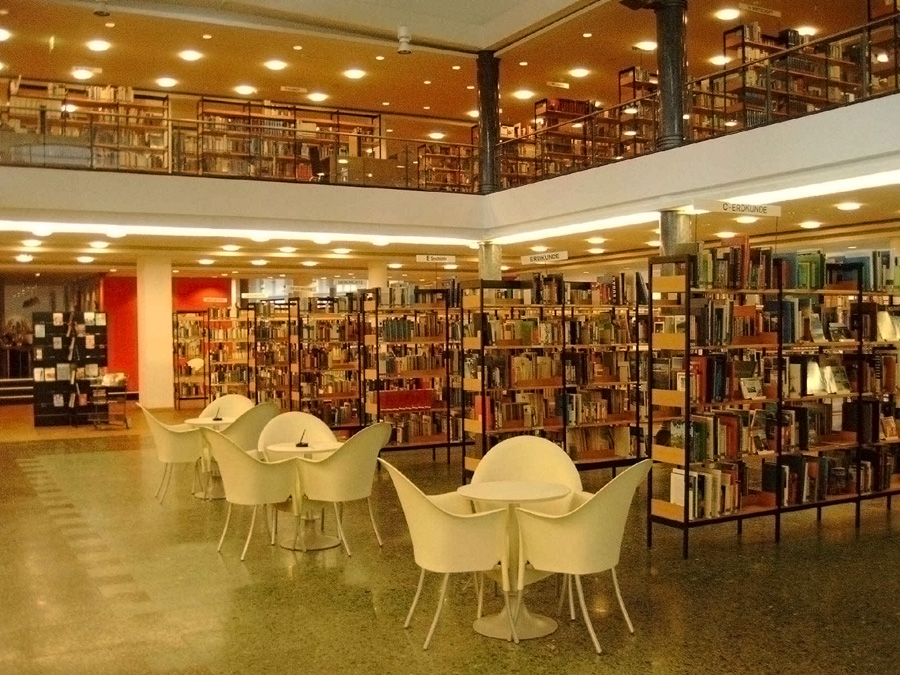
Standards and compliance · 6 May 2025
Lighting for low vision, dementia and neurodiversity in Australian buildings, written against the Premises Standards context rather than a wellness brochure.
Energy and controls · 16 April 2025
A total-cost method for comparing LED and residual fluorescent in Australian commercial buildings — tariffs, hours and maintenance, without a brochure’s ninety per cent.