Design and specification · 18 September 2025 · 8 min read
How to write a commercial lighting specification
A structure for Australian commercial lighting specifications — scope, performance, substitution rules and hold points — that still works after value management.
By Marcus Hale, Electrical contractor and specifier, Melbourne, Victoria
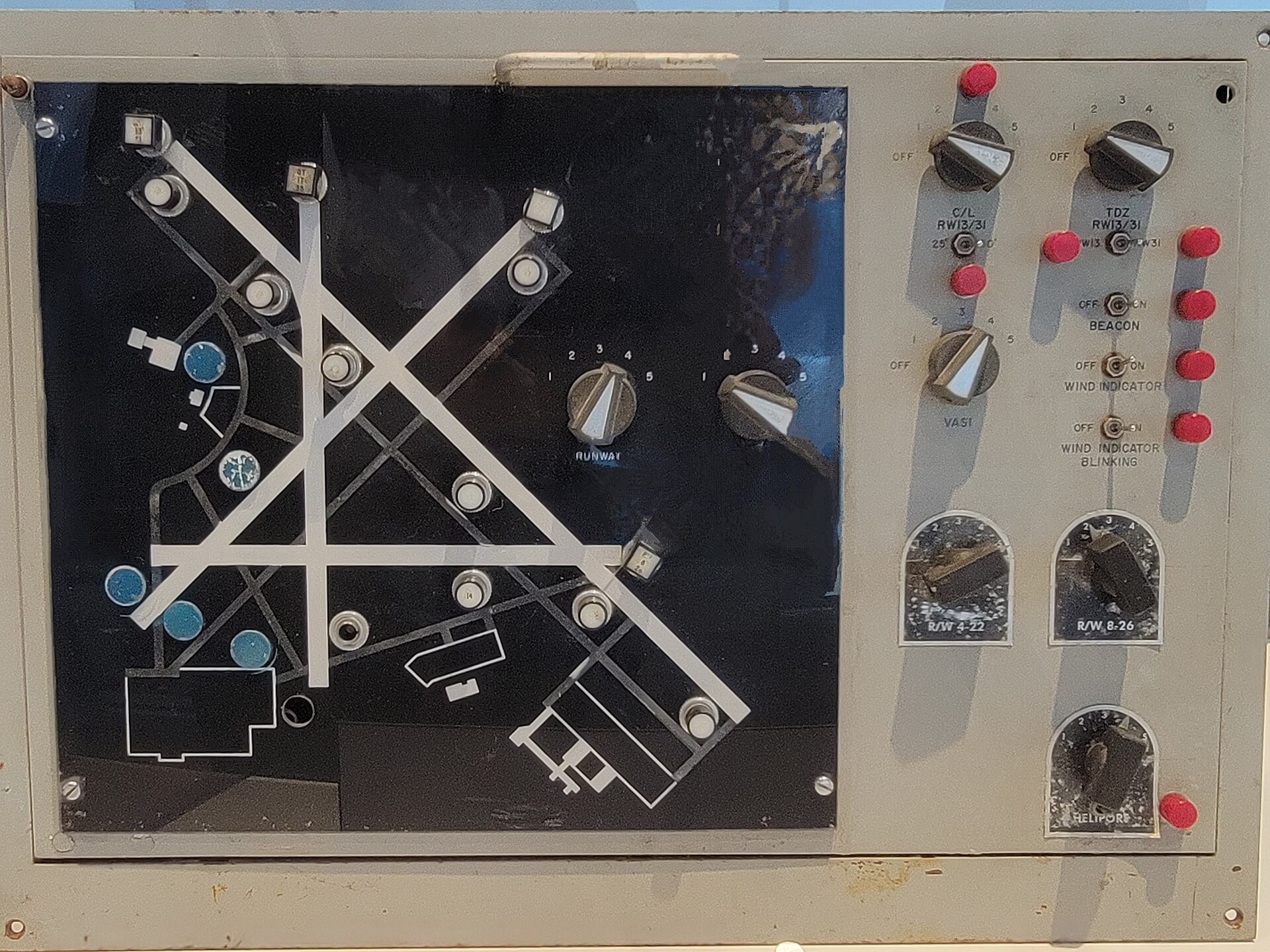

A commercial lighting specification is a maintenance document that happens to mention aesthetics. If it cannot tell a night electrician what to put in a failed fitting in year four, it is a mood board. This essay is the structure I use on Melbourne fit-outs and retrofits. It belongs in design and specification and it assumes you have already read AS/NZS 1680. Lux without a task is not a spec clause.
I write specifications because I also install them. The clauses that survive are the ones that name a hold point, a substitution test and a person. The clauses that die are the ones that say “quality LED lighting throughout”.
One document, one author, one set of drawings
Decide who writes the lighting spec. Architect, lighting designer, electrical engineer, or a contractor-designer — pick one lead and make the others comment. Then lock the drawing set the spec refers to: lighting layouts, control zoning, emergency layout, reflected ceiling, furniture, finishes. A spec that points at “the latest architectural ceiling plan” is a moving target.
I open with a scope paragraph that a superintendent can understand:
- Which buildings, levels and tenancies.
- Whether the job is new work, retrofit, or maintenance replacement.
- What is excluded: theatrical rigs, specialist medical, tenant supplementary after handover.
- Which standards and NCC clauses apply, with editions.
If the project also wants NABERS or Green Star, say it here so the contractor does not discover metering in week ten.
Structure that contractors actually read
I use a boring order. Boring is searchable.
- References and editions: AS/NZS 1680, AS/NZS 2293, AS/NZS 3000, NCC Section J, Premises Standards / AS 1428 as relevant, WHS, the landlord guide.
- Design intent in one page: tasks, scenes, daylight, what must not glare.
- Performance tables by room type: maintained illuminance, plane height, uniformity, glare method, colour, maintenance factor.
- Control narrative: protocol, groups, scenes, sensors, gateway, who owns the clock. See DALI.
- Emergency and exit: 2293 edition, duration, monitoring, logbook. See testing and logbooks.
- Energy: NCC edition, ILP/IPD boundary, meters. See Section J.
- Luminaire schedule: families, not 400 unique specials.
- Installation, access, asbestos, hygiene, after-hours.
- Commissioning, testing, training, spares, warranties.
- Substitution and hold points.
The performance table is the heart. If a room is not in the table, it will inherit the wrong number. Include toilets, plant, stairs, reception, tea points, meeting rooms, and the car park. Elise’s accessible lighting notes belong in the table as uniformity, vertical light and flicker — not as a preface nobody prices.
Write the visual task, then the product
Name the task the way 1680 does. Ordinary office desks are not a drawing office. A reception camera is not a tea point. A warehouse aisle is not a bulk store. Then name the working plane. Then name the maintenance factor and the cleaning cycle that makes it true. Our audit and maintenance essay is the field sequel.
Only then name a luminaire family. I prefer performance-plus-approved-list: “DALI-2 low-glare recessed panel, UGR calculated in this room not as a sticker, 4000 K, TM-30 or CRI as scheduled, approved products A/B/C.” If the architect has a decorative pendant, it still needs a driver spec, a spare and a glare note. Decoration that blinds a desk is a defect.
Colour gets its own line. See CCT, CRI and TM-30. “White LED” is not a line.
Substitution rules that bite
Value management is where Australian lighting specifications go to die. Write a rule that a superintendent can enforce.
Equivalent means all of the following, demonstrated, not asserted:
- Same optical distribution category and a UGR or intensity table for this room.
- Same or better flicker and acoustic performance.
- Colour within the scheduled CCT tolerance and the scheduled CRI or TM-30 fidelity.
- Dimming protocol identical (DALI-2 is not 1–10 V).
- Emergency variant listed to 2293, not a workshop conversion.
- Driver replaceable or a spare luminaire held as scheduled.
- Section J load not increased; control credits still valid.
- No worsening of IP, IC or fire classification for the ceiling you have.
Require a written substitution request with IES/LDT files, a marked-up calculation, and a sample. Give yourself five working days. Silent substitution on a delivery docket is a reject, not a negotiation.
If they want to swap the application controller for standalone sensors, they resubmit the whole control narrative, the BMS points list and the after-hours regime. That sentence has saved more energy than a better chip.
Hold points I will not let the programme eat
A hold point is a gate. I use these on most commercial jobs:
- Hazardous-materials clearance before ceiling works.
- Sample fitting and sample control bay, installed, energised, reviewed at night.
- Mock-up for the first 200 m² of any open plan over 1,000 m², or any room where glare is the brief.
- Approval of the substitution file, if any.
- Emergency 100 per cent function test and the specified discharge, logbook opened.
- Control commissioning complete: addresses, scenes, photocell calibration, gateway points witnessed.
- Night-time lux grid on a sample of room types, furniture in, blinds in the agreed position.
- Training and handover of project files, passwords and spare schedule.
Put the hold points on the programme, not only in a PDF nobody prints. A builder who schedules commissioning on the same afternoon as furniture is asking you to waive the gate. Do not.
Language that survives procurement
Use Australian English and SI units. Name editions. Say “shall” for obligations and “should” only when you mean guidance. Do not write “high quality” without a test. Do not write “smart lighting” at all.
Ban these substitutions in one list: uncertified “DALI compatible” drivers; LED tubes in emergency bodies that were not assessed; RGBW as a 1680 strategy; photocells that only switch a whole floor; app-only control in public rooms.
Require as-builts: layouts, addresses, circuit lists, emergency identifiers, meter schedule. The lighting audit of 2029 will thank you.
Controls and energy are specification chapters, not appendices
If the lighting is on DALI, the spec owns the bus power supplies, the line map and the scene table. If the BMS will see lighting, the spec owns the points list. If Section J credits are claimed, the spec owns the sensor locations and the commissioning record. Priya’s energy essays are the method; the spec is where they become enforceable.
Daylight and climate get clauses, not adjectives. Daylight integration and tropical, arid and temperate design should appear as zoning, IP, dirt and glare — the things a tenderer can price.
A short example of a room clause
“Open-plan workstations, Level 12: maintained 320 lx on 0.75 m working plane, uniformity as scheduled, UGR calculated for this room ≤ 19, 4000 K, CRI Ra ≥ 80 and TM-30 Rf as scheduled, maintenance factor 0.8 on a two-year clean. DALI-2, daylight zone on the north bay, absence detection timeout 20 minutes, scenes Day / Evening / After-hours / Off. Emergency on separate monitored addresses, not on the BMS slider. Substitutions per clause X. Night measurement hold point before furniture defect claim.”
That is one room. Repeat. The luminaire part number is a consequence.
After handover
A specification that ends at practical completion is unfinished. Name the spare holding, the cleaning contract, the 2293 tester, and who may change a scene. Name the warranty start (commissioning, not delivery). Name the file format of the DALI project.
If a clause you wrote was value-managed into a defect, send the before and after to write for us. We publish field failures. The editorial standards are why we will not turn your spec into a manufacturer’s guide, and why we would rather keep the hold point than the adjective.
Questions readers ask
- Can I specify by naming one luminaire and writing “or equivalent”?
- You can, if you define equivalent. Wattage alone is not equivalent. Optic, glare method, colour, driver, emergency variant, spare and certification have to be in the sentence. Otherwise “equivalent” means “cheaper”.
- What is a lighting hold point?
- A contractual pause where work cannot proceed until a named person has reviewed a sample, a calculation, a mock-up or a test. Commissioning and emergency discharge tests are hold points. Unpacking cartons is not.
- Who should own the lighting specification?
- One author. Split specs — architect decorative, electrician “normal”, controls by the BMS vendor — are how Australian fit-outs get three colour temperatures and no scenes.
More in Design and specification
- Colour temperature, CRI and TM-30 explained
What CCT, CRI and IES TM-30 actually measure, where they mislead, and how to write them into an Australian commercial lighting specification.
- Daylight integration in Australian buildings
How to use daylight in Australian commercial buildings without glare, dead photocells or a Section J credit that the blinds quietly cancelled.
- Lighting for tropical, arid and temperate climates
Dirt, heat, cyclones and salt — how commercial lighting hardware and maintenance change between Darwin, Alice Springs and Hobart.