Energy and controls · 15 September 2025 · 8 min read
NCC Section J lighting energy provisions
How NCC energy provisions treat interior lighting power, control credits and climate zones — and why they do not replace AS/NZS 1680 in an Australian building.
By Priya Nair, Energy and sustainability editor, Brisbane, Queensland
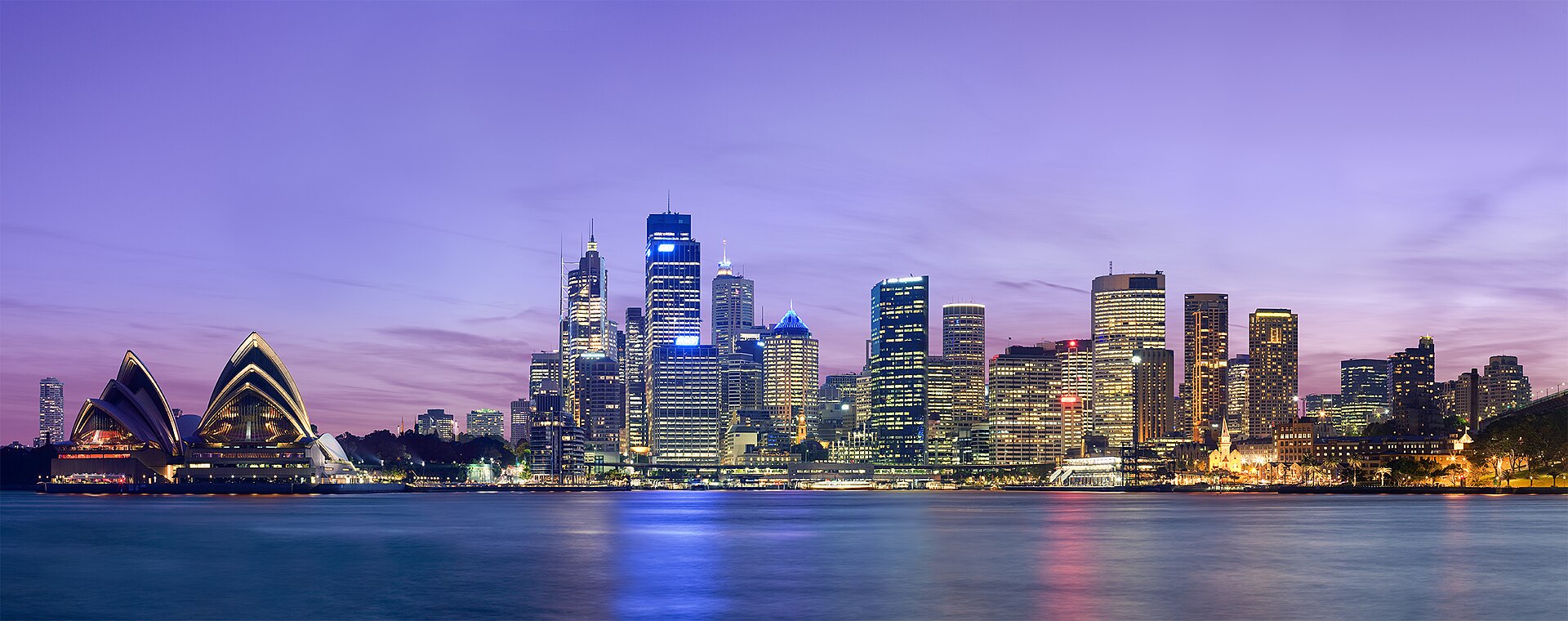

Section J is the National Construction Code’s energy-efficiency chapter. For lighting it is a power budget, a controls test and a documentation job. It is not a lighting design standard. I still receive models from Brisbane and Sydney that treat a compliant illumination power density as proof the room will work. Those models fail people, then they fail NABERS when the meters start telling the truth.
This essay is a working method for the lighting clauses. It lives in energy and controls and it assumes you will also open AS/NZS 1680 and the current NCC volume that applies to the building class. Editions move. Clause numbers move. The habit of confusing watts with vision does not.
What the energy provisions are for
The Code wants less wasted electricity in new work and in alterations that are large enough to be caught. For artificial lighting that usually means:
- A maximum interior lighting power for the storey or the space types you nominated.
- Mandatory or credited controls: switching, occupancy, daylight.
- Exterior lighting that is not a floodlit sculpture on a timer stuck at “on”.
- A report someone other than the supplier can read.
The allowance is not a target to spend. If the visual task is happy at 4 W/m² and the allowance is higher, take the leftover to the façade or the HVAC conversation. Do not invent decorative wattage so the spreadsheet looks “fully used”. That habit is how CBD interiors glow like refrigerators at 10 p.m.
ILP, IPD and the need to say which number
Australian reports mix three labels for the same family of ideas. Illumination power density (IPD) is the older NCC phrase. Lighting power density is the international cousin. ILP is what many Queensland and New South Wales consultants write on a drawing when they mean interior lighting power. I do not police the acronym. I police the definition.
Write, every time:
- NCC edition and volume.
- Building class and the space-type table you used.
- Whether the figure is the allowance or the installed load.
- Which areas you included: plant rooms, car parks, façade, tenant supplementary lights.
- Whether display lighting, specialist clinical lighting or emergency-only fittings were treated as exemptions or as part of the load.
A tenancy that inherits base-building downlights and then adds a decorative ring will blow a budget that looked healthy in the core-and-shell report. Coordination is a Section J problem. It is also a specification problem.
Controls are credits only if they survive handover
The Code has, across recent editions, rewarded or required controls that cut hours: occupancy sensing in rooms that empty, time clocks, and daylight response near façades. Those credits exist because hours matter more than a heroic luminaire efficiency once the building is occupied.
I will not sign a credit for:
- A photocell that switches a whole floor in one hit.
- Occupancy sensors with a timeout so short that people tape them.
- A “BMS integration” with no points list and no owner.
- Manual switches hidden behind a feature wall.
If you want the credit, specify the DALI groups, the daylight zones and the commissioning hold point. Then keep the sensors alive through defects liability. A control that dies in month four is an energy regression and, if you claimed it, a compliance fiction.
Daylight credits also need a façade the occupants can live with. A west glass box in Melbourne in January will have blinds down. Your photocell then reads a cave. Design the shade and the scene, not only the sensor. See daylight integration.
Climate zones are not a lighting catalogue
NCC climate zones 1 to 8 run from Darwin’s wet heat to alpine cold. They drive façade, insulation and HVAC much more loudly than they drive a downlight. Lighting still feels them.
In zone 1 and 2 — Darwin, Cairns, Brisbane — the air-conditioning already works hard. Lighting heat is not free. High-output downlights in dark ceilings become little radiators. Occupants add desk fans and desk lamps, which your model never met. In zone 3 — Alice Springs and the dry inland — dust and heat kill cheap drivers; maintenance factor is an energy input because dirty fittings get replaced with whatever is in the ute. In zones 6 and 7 — Melbourne, Hobart, Canberra — people run lighting through long grey afternoons and then leave it on into the evening commute. Hours, again.
Tom’s climate essay is the hardware version of this. My version is: do not copy a Sydney ILP model onto a Darwin hospital and call the climate zone “noted”. The zone changes dirt, sky, occupancy pattern and the HVAC penalty of every unnecessary watt.
Alterations, retrofits and the job you thought was maintenance
Owners like to call a floor-wide LED swap “maintenance”. Certifiers sometimes agree, sometimes do not. If you change the lighting of a storey, a tenancy or a car park, ask the question in week one. LED retrofit work is the usual trigger. So is a strip-out that removes the old T8 grid and invents a new decorative scheme.
A like-for-like emergency pack replacement is not a Section J design. A new open-plan layout with a different luminaire family is. Write the scope so the contractor cannot discover the energy report at practical completion.
Performance pathways (the JV3-style energy model in recent NCC language) can trade lighting against fabric and HVAC. That trade is legitimate and easy to abuse. If the model “solves” lighting by assuming occupants will sit in 150 lx of gloomy LED, I want a 1680 assessment on the same page. Energy flexibility is not a licence to under-light a task.
What Section J does not forgive
It does not forgive a design that ignores glare because the wattage was low. Efficient glare is still glare. It does not forgive exterior lighting that dumps into a neighbour’s bedroom. It does not forgive a car park that is legally dim at 2 a.m. because someone used the office allowance on the wrong line of the spreadsheet.
It also does not replace AS/NZS 2293. Emergency lighting has its own power and testing story. Do not hide emergency maintained fittings inside the general ILP without saying so, and do not delete them to “make Section J work”.
How I brief a lighting energy model
- Name the NCC edition, the building class and the climate zone.
- Attach a lighting layout with circuit loads, not a marketing lumen package.
- Attach a control narrative: zones, sensors, schedules, gateway.
- Attach the visual targets from 1680 so the modeller cannot invent darkness.
- State which fittings are tenant, base-building, display or emergency.
- State the measurement method at completion — a sample of rooms, night and day.
If the project also wants a Green Star credit or a NABERS commitment, say that in the same brief. The meters you install for NABERS are the only honest sequel to a Section J report. A modelled wattage with no lighting meter is a hypothesis.
The mistakes that keep arriving in my inbox
Copying a 2016 IPD table into a 2022 report. Claiming daylight dimming on a building with manual blinds and no zoning. Treating RGBW feature tape as “zero” because it is decorative. Using European lighting power densities and then wondering why the ABCB table disagrees. Forgetting the car park. Forgetting the façade. Forgetting that a 24-hour hospital is not an office occupancy.
I am unsentimental about payback slides attached to Section J. The Code is a minimum. Total cost of ownership is a client conversation. Do not mix them to make a product look inevitable.
Read the current NCC. Read 1680. Light the task, then count the watts. If you have a Section J lighting clause that failed an audit, the write for us page is the place, and the editorial standards explain how we treat numbers as safety-critical rather than decorative.
Questions readers ask
- Does Section J set the lux level for an office?
- No. Section J limits the energy the lighting system may use. AS/NZS 1680 describes the visual conditions. A design that meets the wattage budget and leaves the desks at 180 lx has not “passed lighting”. It has passed an energy test and failed the task.
- What is an ILP or IPD figure?
- Practitioners use ILP, IPD and lighting power density for the watts per square metre the NCC allows or the design installs. Always say which edition of the NCC, which space type, and whether the number is the allowance or the installed load.
- Do daylight sensors give me a free upgrade in wattage?
- Control credits can raise the allowance if the controls are real, zoned and commissioned. A photocell taped over in week three is not a credit. Write the control, then claim it.
More in Energy and controls
- LED retrofit for Australian commercial buildings
How to replace T8, T5 and halogen stock in a real Australian commercial building without breaking emergency lighting, asbestos ceilings or the control strategy.
- DALI lighting controls and BMS integration
DALI-2, gateways and the commissioning steps that turn a lighting bus into something a BMS can actually use in an Australian commercial building.
- Lighting audits, maintenance and relamping
How to audit an Australian commercial lighting stock, group what you find, buy spares that will still exist, and clean fittings so the maintenance factor is not a fiction.